
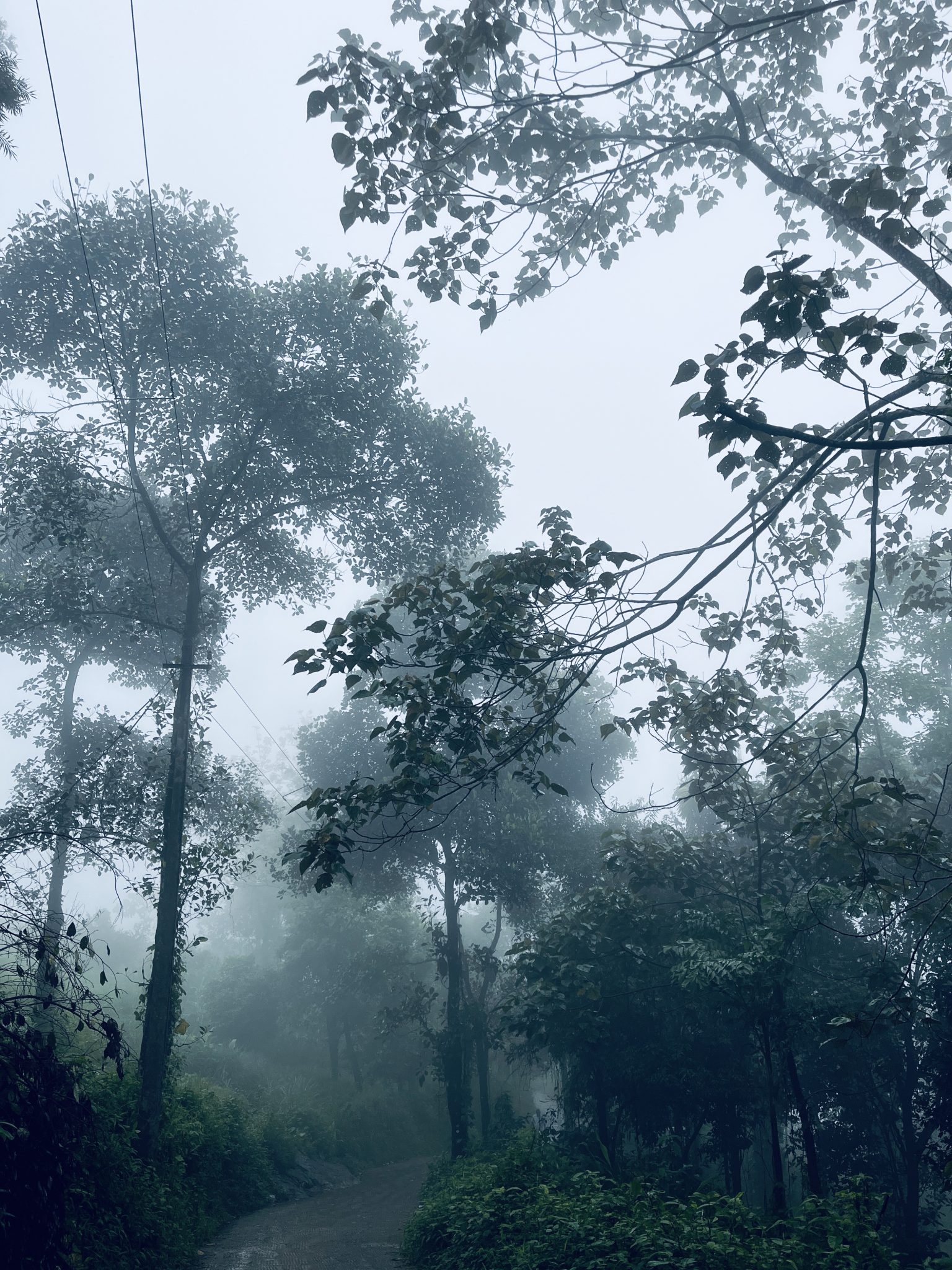
A missing hiker lost on a high mountain peak nineteen years ago has finally been found. Search teams used a fresh way of looking at old clues to solve the cold case that stumped people for nearly two decades. Michelle Vanek went missing in 2005, and her story left a dark shadow over the trail for years.
The short answer is simple but sad. People never stopped thinking about what happened on that rock peak. By looking at the map with new eyes and walking steps that others missed, searchers found the spot where she fell. It shows that even when time passes, a cold case can still yield real facts.
What Happened on the Mountain Nineteen Years Ago
In 2005, a hiker set out to climb a big mountain in Colorado. She was with a friend who had more practice on hard trails. The climb was long and the rocks were rough. As they got near the top, the woman grew tired. Her friend went ahead to reach the peak alone, and she agreed to wait or head back down the line.
She was never seen alive again. When the friend came back down the trail, the spot was empty. No trace of her jacket, her pack, or her boots remained on the cold gray stone. Searchers flooded the slopes for days. Dogs sniffed the trees, and helicopters flew low over the cliffs, but they found nothing. It was like she walked right into thin air.
People who follow mysteries often talk about lost travelers. If you like reading about cold cases, you might remember the story of a Stone Circle Mystery Deepens as New Search Questions Old Theories that shows how hard it is to find truth after many years. On this mountain, the weather turned bad fast, hiding any clues left in the dirt.

Why the First Searches Found Nothing
Why did the early teams miss her? Mountain searches are hard work. The terrain has deep cracks, loose slides, and thick brush that can hide a person just a few feet away. In 2005, teams looked in places where they thought a lost walker would go. They focused on the main path and the safest routes down.
That choice made sense back then. Most lost people stay on the path or try to walk downhill toward water. But when panic sets in, a person might turn the wrong way. A small slip on loose gravel can send someone sliding into a hidden drop that no one can see from above.
The weather back in 2005 also played a big part. Snow fell on the high peaks soon after she vanished. White snow covers pack straps and clothing very quickly. Once the snow melted, summer storms washed away foot tracks. Year after year, the mountain stayed silent, keeping its secret hidden under the clouds.
How a Fresh Way of Thinking Solved the Case
The turn came when a new group of searchers tried a different plan. They did not just walk the same ground again. Instead, they sat down with old maps, past radio logs, and photographs from the week she disappeared. They studied how lost people move when they get tired or scared.
The team asked a simple question. What if she did not try to go down the easy path? They looked at areas with steep drops that earlier teams marked as unlikely. They used high resolution photos taken from above and mapped out spots where shadows made it hard to see the ground.
Then, searchers walked into those rough spots on foot. They picked a zone off the main trail that was hard to reach. They climbed over big rocks and searched deep cracks in the stone. That is where they found items that belonged to the lost woman, bringing a long search to its end.
Facts and Theories in Lost Person Cases
It is important to keep facts and guesses apart when a person vanishes. In any long mystery, strange ideas start to spread online. Some people said she ran away to start a new life. Others guessed that someone hurt her on the trail. But the facts always point back to the cold truth of the wild.
Here is what the physical facts show us in cases like this:
- Weather changes fast: Cold wind and sudden rain make people pick bad routes to get off the peak.
- Gear drops out of sight: Backpacks and dark coats blend into dark rocks after just one season.
- Terrain tricks the eye: A spot that looks safe from a helicopter can be totally hidden by a rock ledge.
The theory of a bad fall turned out to be the real answer. She did not leave the state, and no stranger took her away. She simply took a wrong turn on a dangerous slope. You can read more about mystery cases on our main news page about lost cases to see how missing people are tracked down today.
Other Strange Vanishings That Challenge Search Teams
This mountain case makes us think of other famous disappearances in history. Sometimes groups of people vanish without leaving a single trace behind. Think of the three men at the Flannan Isles Lighthouse who went missing from a lonely island, leaving their meals cold on the table. No one ever found out where the ocean took them.
Another wild case is the ghost ship Mary Celeste, found floating in the water with its cargo safe but every person gone. In all these stories, the lack of proof makes people invent wild tales. Yet most times, nature is simply bigger and rougher than we think.
When a person goes missing in nature, time works against the searchers. The wind blows away scents. Animals move items around. Leaves fall and cover small buttons or zip pulls. That is why finding someone after nineteen years is such a big deal for recovery teams across the country.
What This Finding Means for Cold Cases Today
This success brings hope to hundreds of families who are still waiting for news. It proves that a cold case is never truly dead if people keep looking. When searchers change their patterns and question old ideas, they can find answers that were sitting in plain sight.
New tools help a lot today. Better satellite maps let people zoom in on tiny rock ledges from a home office. Computer programs can track where a rolling stone might land. But in the end, it still takes human boots on the ground to walk into steep places and look under the rocks.
The family of the lost hiker now has a clear answer after nineteen long years of waiting. They know where she spent her last moments, and they can finally put their doubts to rest. The mountain keeps many secrets, but this month it gave one back.
How Do We Solve the Next Big Mystery?
What should search teams do when a case stays cold for years? The main lesson here is to challenge every old idea. If the first team thought a area was impossible to reach, that is the exact spot the next team should check. People in danger do impossible things to save themselves.
We must also listen to the facts instead of rumor. When a story gets popular, wild theories can distract people from the hard work of reading maps. Sticking to simple steps brings results, even if it takes twenty years to get there.
Next time you walk a high trail, take a look at the steep rocks off to the side. It is easy to see how a wrong step can change everything in a second. What cold case do you think could be solved next if searchers take a fresh look at the map?